-
WarrenDW Windows and Doors and the Future of Architectural Innovation: Where Design, Technology, and Lifestyle Converge카테고리 없음 2026. 4. 28. 14:58
Introduction: Architecture Beyond Structure
The future of architecture is not just about buildings—it is about experiences. WarrenDW Windows and Doors represent this transformation by merging design, engineering, and technology into unified systems that shape how people live.
This final article explores how these systems are redefining the future of built environments.
The Convergence of Design and Technology
Modern architecture is increasingly driven by technology.
WarrenDW Windows and Doors sit at the intersection of aesthetics and innovation, combining:
- Structural engineering
- Smart automation
- Material science
- Environmental control systems
This convergence creates highly advanced architectural solutions.
Redefining the Role of Windows and Doors
Traditionally, windows and doors were passive building elements.
Now, WarrenDW Windows and Doors function as:
- Environmental regulators
- Security systems
- Design features
- Energy management tools
This expanded role makes them essential components of modern architecture.
Architectural Transparency and Visual Identity
Transparency is becoming a defining feature of modern design.
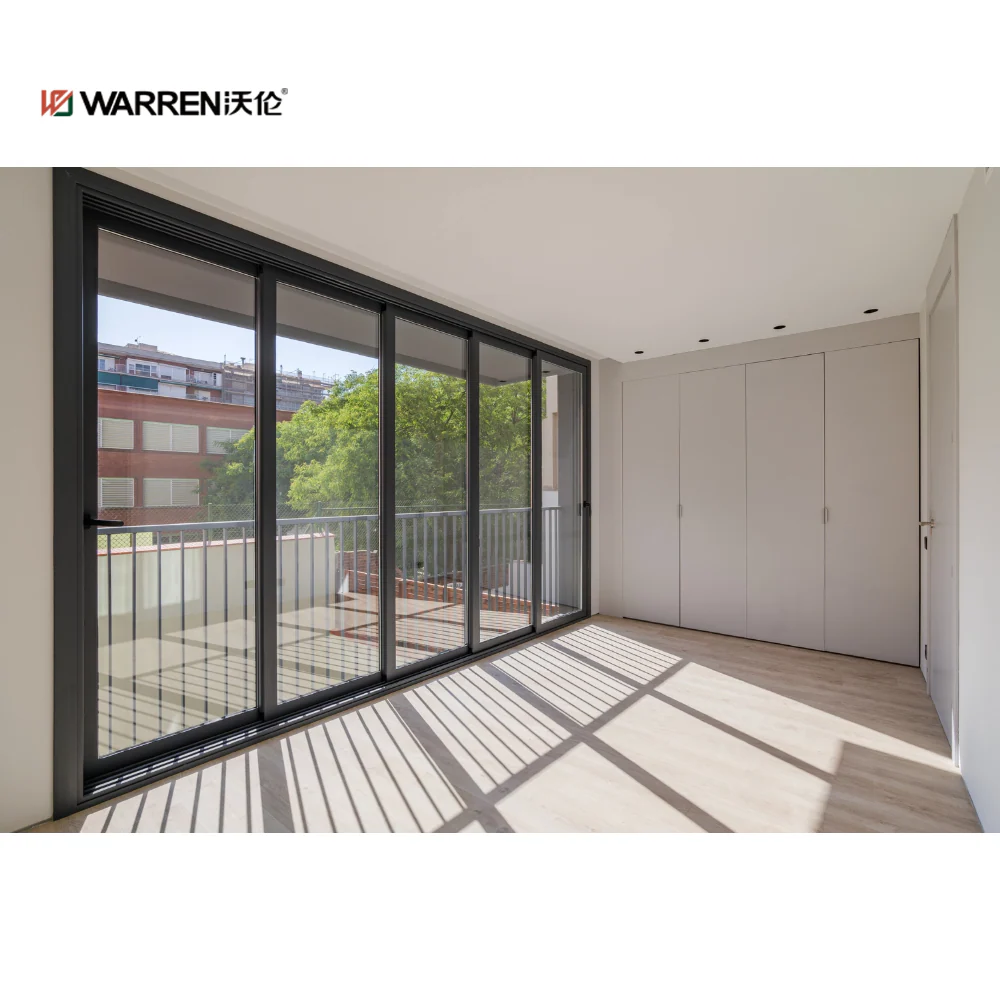
Large glass structures created through WarrenDW Windows and Doors enhance visual identity by:
- Increasing openness
- Strengthening indoor-outdoor connection
- Creating visually lighter structures
This transparency reflects modern design values of simplicity and openness.
The Role of Light in Future Architecture
Light is one of the most powerful architectural materials.
WarrenDW Windows and Doors maximize natural light, shaping how spaces feel and function throughout the day.
This improves:
- Mood and emotional balance
- Spatial perception
- Energy efficiency
- Aesthetic appeal
Human-Centered Design in Modern Systems
Future architecture focuses heavily on human experience.
WarrenDW Windows and Doors are designed around:
- Comfort
- Accessibility
- Emotional well-being
- Ease of use
This ensures that technology serves people, not the other way around.
Durability and Long-Term Architectural Value
Future-ready systems must last decades.
These systems are engineered for:
- Structural longevity
- Environmental resistance
- Mechanical durability
- Low maintenance requirements
This ensures long-term value in residential and commercial buildings.
Environmental Responsibility in Design Innovation
Sustainability is a core part of architectural innovation.
WarrenDW Windows and Doors contribute by:
- Reducing energy consumption
- Improving insulation performance
- Supporting passive design strategies
- Using recyclable materials
This supports global environmental goals.
Smart Integration and Future Connectivity
Future buildings will be fully connected systems.
WarrenDW Windows and Doors are evolving toward integration with:
- Artificial intelligence systems
- Smart home networks
- Predictive environmental systems
- Automated building management platforms
Emotional Architecture and Lifestyle Enhancement
Architecture is increasingly about emotional experience.
These systems create environments that feel:
- Calmer
- Brighter
- More open
- More connected to nature
This improves quality of life in everyday living.
The Future of Urban Architecture
In cities, WarrenDW Windows and Doors will play a key role in:
- High-rise glass structures
- Sustainable urban housing
- Smart commercial buildings
- Adaptive mixed-use developments
They will help shape future skylines.
Conclusion: A New Era of Architectural Possibility
WarrenDW Windows and Doors represent the future of architectural innovation.
They combine design, technology, and human experience into one integrated system that defines modern living. As architecture continues to evolve, these systems will remain central to shaping smarter, more beautiful, and more sustainable environments.